If you're thinking about selling a home in Lancaster County, one of the first decisions you may face is how to sell it.For most homeowners, the traditional route is to list the property with a real

Dated: August 24 2026
Views: 151
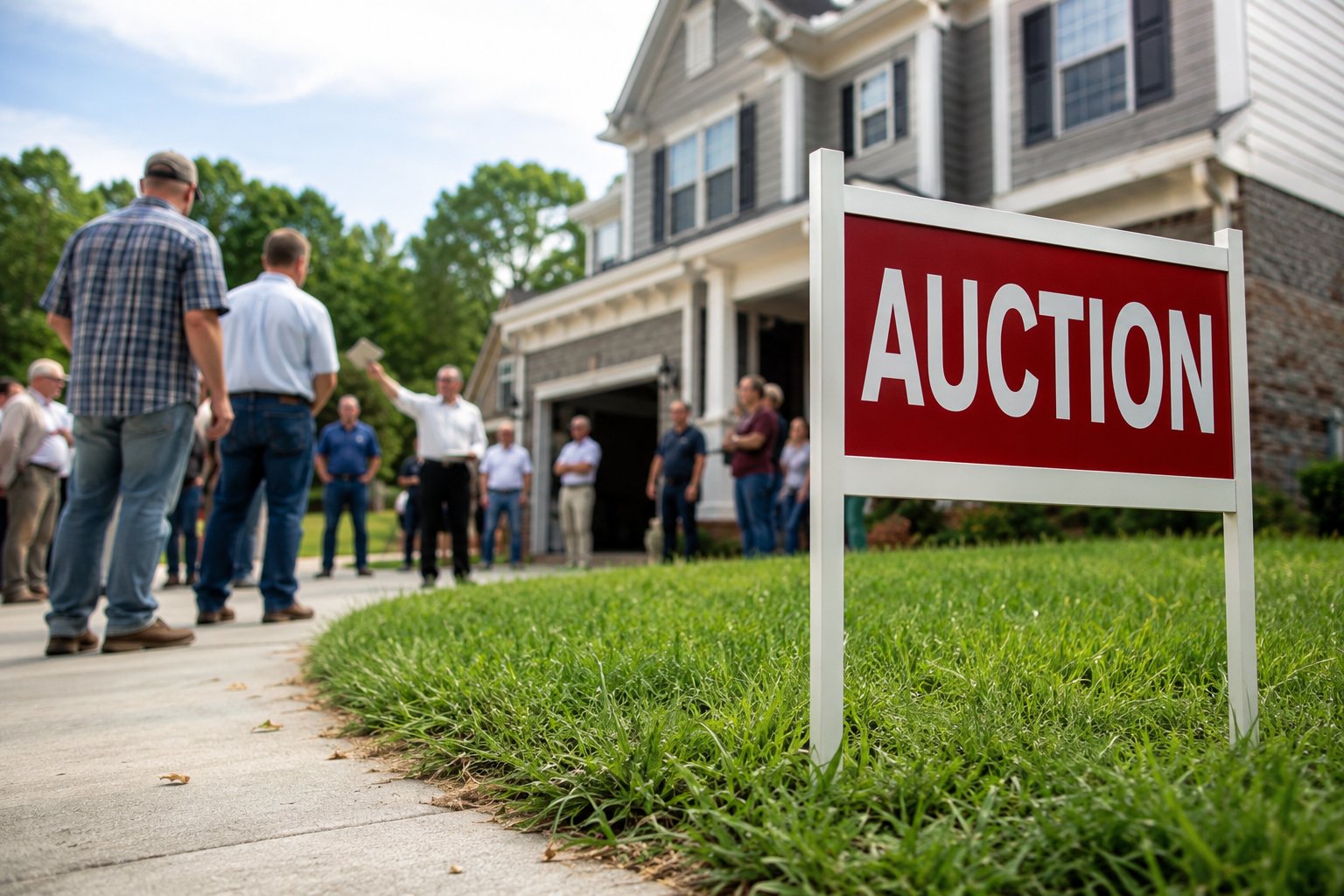
If you're thinking about selling a home in Lancaster County, one of the first decisions you may face is how to sell it.
For most homeowners, the traditional route is to list the property with a real estate agent and place it on the Multiple Listing Service, commonly known as the MLS. But in Lancaster County, Pennsylvania, there is another option that has deep roots in the community: selling real estate at auction.
Lancaster County has a long-standing auction culture. From farmland and equipment to antiques, personal property, and real estate, auctions are an established part of the local marketplace. The region's Amish and Mennonite communities are often associated with this tradition, although it is a misconception that Amish people cannot obtain mortgages. Auctions are simply an important and well-established method of buying and selling property in Lancaster County.
So, which option is better when selling a home: the MLS or an auction?
The answer depends on the property, the seller's goals, and the type of buyer you are trying to attract.
Listing a home on the MLS is the traditional way most residential real estate is sold.
When a property is listed on the MLS, it can be marketed to a large audience of buyers and real estate agents. The seller and their agent typically establish an asking price, market the property, schedule showings, review offers, and negotiate the terms of the sale.
One of the biggest advantages of an MLS listing is flexibility.
A seller can negotiate more than just price. They may evaluate:
For many homeowners, this ability to compare and negotiate multiple offers is valuable.
Selling through the MLS may be the best option if:
In a strong seller's market, an MLS listing can also create competition between buyers. Multiple offers may drive the price higher while still giving the seller control over which offer they accept.
An auction takes a very different approach.
Instead of establishing a traditional asking price and waiting for buyers to submit offers, an auction creates a specific date and time when interested buyers compete against one another.
That deadline can create urgency.
Buyers know that if they want the property, they must be prepared to bid. In the right situation, this can create significant competition.
However, selling a home at auction is not automatically better or more profitable than selling through the MLS. The success of an auction depends heavily on the property, the marketing, the auction terms, and the number of qualified buyers participating.
There are several situations where an auction may make sense.
Some properties don't fit neatly into a traditional MLS search.
Examples may include:
These properties can be difficult to price using traditional comparable sales.
An auction allows the marketplace to help determine the value.
If multiple buyers see potential in the property, competitive bidding may push the price upward.
One of the biggest benefits of an auction is certainty of timing.
With a traditional MLS listing, a property may receive an offer in a few days, a few weeks, or several months.
An auction creates a deadline.
The seller knows when the bidding will occur and can structure the auction terms around a specific settlement timeline.
This can be attractive to sellers who are:
Some homes may not be attractive to the typical retail buyer but could be very appealing to an experienced investor, builder, or contractor.
A property with deferred maintenance, structural challenges, an unusual layout, or significant renovation needs may create concern for a traditional homebuyer.
An experienced investor or contractor may look at the same property and see opportunity.
Auction marketing can be particularly effective when the goal is to attract buyers who understand renovation costs and are prepared to purchase a property in its current condition.
Buying a home at auction is very different from buying a home through the MLS.
One of the biggest mistakes a buyer can make is assuming that an auction works exactly like a traditional real estate transaction.
It doesn't.
Before bidding, buyers should carefully review the auction terms and complete as much due diligence as possible.
Many real estate auctions charge a buyer's premium.
A buyer's premium is an additional percentage added to the winning bid to determine the total purchase price.
For example, imagine you are the highest bidder at $300,000 and the auction includes a 10% buyer's premium.
Your calculation could look like this:
High bid: $300,000
10% buyer's premium: $30,000
Total purchase price: $330,000
Not every auction uses a 10% buyer's premium. The percentage and terms can vary, which is why buyers should always read the auction documents before bidding.
The important question is not simply:
"How much am I bidding?"
It is:
"What will I actually be required to pay if I win?"
Auction buyers also need to pay close attention to the deposit requirements.
Many real estate auctions require a significant deposit, often around 10% of the purchase price. Depending on the auction, the funds may be required on the day of the auction or within a very short period after winning.
This can eliminate some buyers from participating.
A buyer who is qualified to purchase a $400,000 home with a traditional mortgage may not necessarily have $40,000 or more readily available for an immediate auction deposit.
That is one reason traditional MLS listings can be more accessible to many homebuyers.
Sometimes, yes.
However, there is an important difference between using financing to purchase a property and having a financing contingency.
Many real estate auctions are not contingent upon the buyer obtaining financing.
In other words, a buyer may plan to use a mortgage, but if their loan is denied or the property does not appraise for the purchase price, the buyer may still be contractually obligated to close.
That is why buyers should speak with their lender before bidding.
They should understand:
Another major difference between buying through the MLS and buying at auction is due diligence.
Traditional MLS buyers often have the opportunity to negotiate inspection, financing, and appraisal contingencies.
Auction properties may be sold as is, and buyers may have limited opportunities to negotiate after winning the auction.
That means buyers should complete their homework before raising their hand or clicking the bid button.
Depending on the property and auction terms, buyers may want to:
The excitement of competitive bidding can cause buyers to spend more than they originally intended.
The best auction buyers know their numbers before the bidding starts.
There is no universal answer.
A well-marketed auction can create urgency and competition that may produce a strong sale price.
At the same time, an MLS listing exposes a property to a broad pool of buyers over time and allows the seller to evaluate multiple offers and negotiate the terms.
An auction is not a guarantee that a property will sell for more.
Likewise, an MLS listing is not always the best strategy for every property.
The right question is:
Which sales strategy will put this particular property in front of the right buyers?
For a traditional suburban home that appeals to owner-occupants using conventional financing, an MLS listing may be the strongest strategy.
For a unique property, a farm, a home requiring extensive renovation, or a property where creating urgency is particularly important, an auction may deserve serious consideration.
Not all auctions work the same way.
For example, an absolute auction generally means the property is sold to the highest bidder regardless of the final price.
A reserve auction or auction subject to seller confirmation may allow the seller to accept or reject the high bid.
The auction structure can dramatically affect the seller's risk and the buyer's strategy.
Before deciding to sell a home at auction, homeowners should understand exactly how the auction will be marketed and what control they retain over the final sale.
The answer depends on your property and your goals.
Before choosing a strategy, I recommend considering:
There is no one-size-fits-all answer.
The best sales strategy is the one that matches the property, the marketplace, and the seller's objectives.
Whether you are considering listing your home on the MLS or exploring a real estate auction, I can help you evaluate your options.
Every property is different. Before choosing a sales strategy, it is important to understand the potential market value, likely buyer pool, timing, costs, and risks associated with each approach.
I can help you determine whether a traditional MLS listing, an auction strategy, or another approach makes the most sense for your specific property.
Thinking about selling your Lancaster County home? Contact me to discuss your property and explore the best strategy for your situation.
Whether you are buying or selling, I can help you navigate both traditional real estate transactions and auction opportunities throughout Lancaster County and the surrounding areas.

Buying or selling a home is one of the biggest financial decisions you'll make—and having the right agent by your side makes all the difference. As a licensed Realtor® in Pennsylvania and a ....
If you're thinking about selling a home in Lancaster County, one of the first decisions you may face is how to sell it.For most homeowners, the traditional route is to list the property with a real
If you’ve received a notice of default or are struggling to keep up with your mortgage payments, first—take a deep breath. You’re not alone, and this situation is not the end of
If you’re thinking about selling your home in Pennsylvania—especially in places like Lancaster, Bucks, or Philadelphia counties—one of the most important decisions you’ll
Buying a home is one of the most exciting—and financially significant—decisions you'll ever make. But amidst the thrill of finding the perfect property, many homebuyers in Pennsylvania
 © BRIGHT, All Rights Reserved
Information Deemed Reliable But Not Guaranteed
The data relating to real estate for sale on this website appears in part through the BRIGHT Internet Data Exchange program, a voluntary cooperative exchange of
property listing data between licensed real estate brokerage firms in which
participates, and is provided by BRIGHT through a licensing agreement.
The information provided by this website is for the personal,
non-commercial use of consumers and may not be used for any purpose other than to identify prospective properties consumers may be interested in purchasing.
Data last updated: September 28, 2026 4:54 AM UTC
Some properties which appear for sale on this website may no longer be available
because they are under contract, have Closed or are no longer being offered for sale.
Some real estate firms do not participate in IDX and their listings do not appear on this website. Some properties listed with participating firms do not appear on this website at the request of the seller.
Show More...
